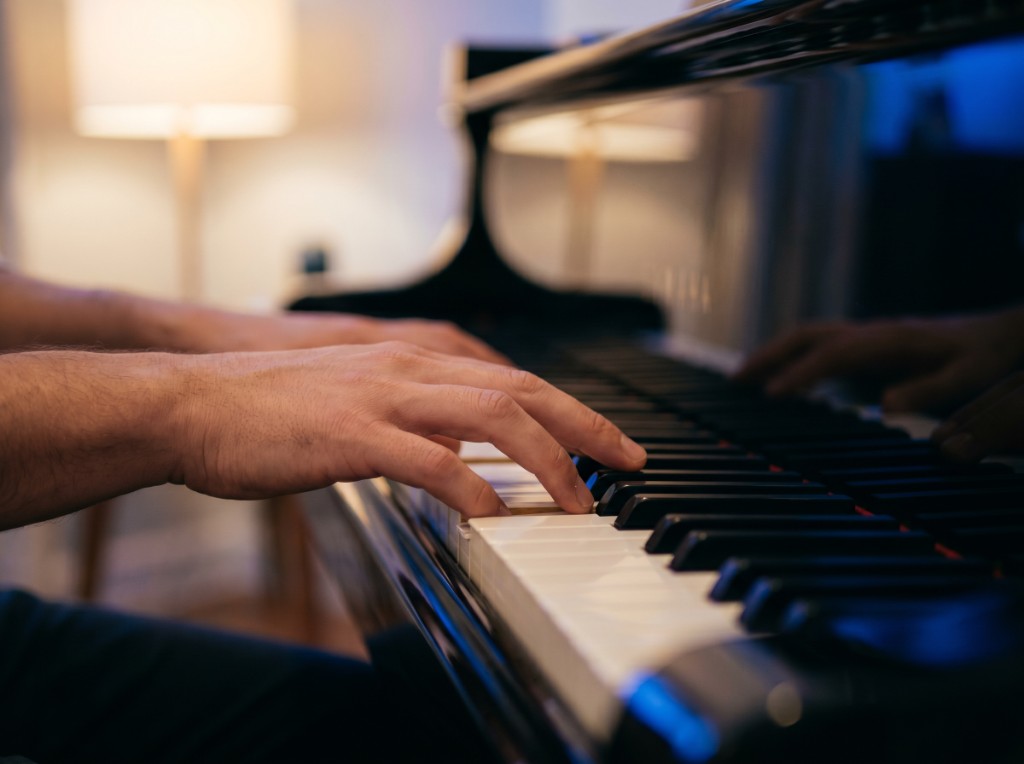
She was nine years old, and she had been staring at the C note for twelve minutes. I know because I was watching the clock, calculating how quickly I could pivot to a scale exercise and recover the lesson.
Then she played a chord. Not the one I'd taught her. Something else — a minor seventh, slightly wrong fingering, completely right in every other way. The room held its breath.
"Where did you get that?" I asked.
"I heard it in my head," she said. Like it was obvious.
The problem with teaching
We are trained, as educators, to believe that we hold the knowledge and the student receives it. Transmission model. Simple, clean, scaleable. I ran three studios on this model. It works. It produces technically competent players. It produces people who can read charts and perform at recitals.
It does not produce musicians.
"A musician is someone who has learned to trust what they hear inside before what they were told to play."
That distinction — between technical competence and musical identity — is everything. It's the gap I've spent the last decade trying to close. Not with better curriculum. With better questions.
What listening actually sounds like
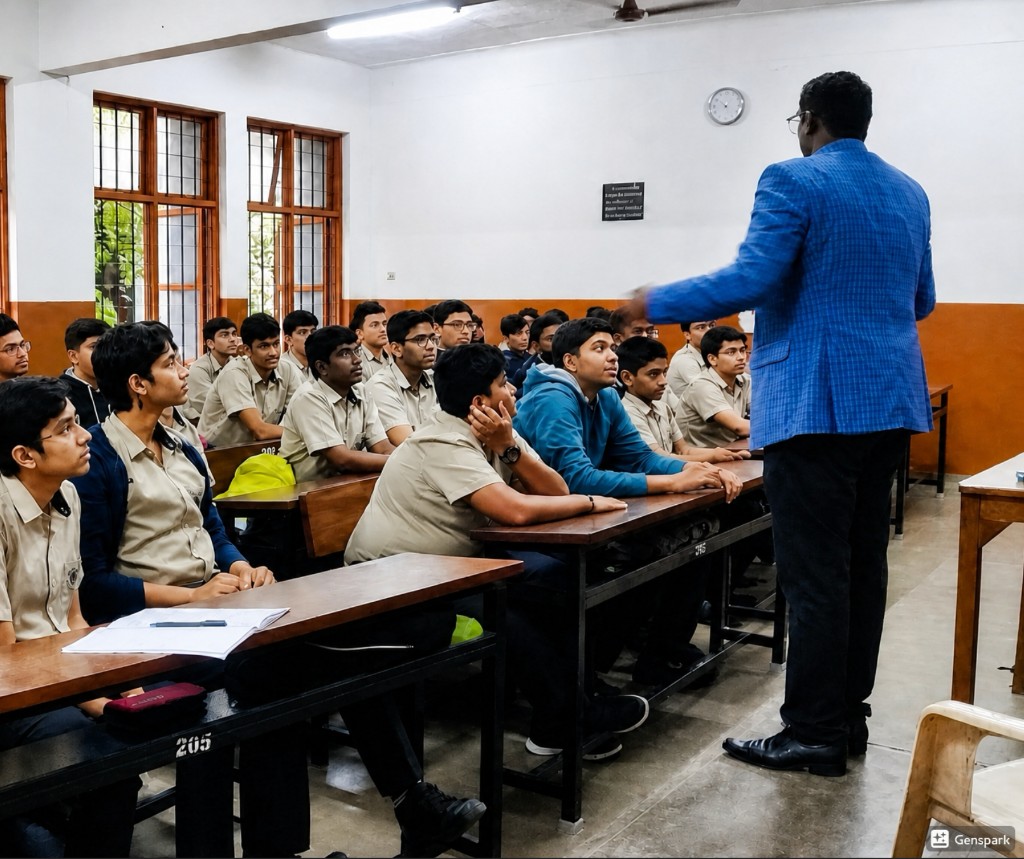
In 2021, I gave a talk on a TEDx stage about this exact thing. The room was full of educators, parents, students. I said, more or less: you don't teach creativity. You create conditions where someone feels safe enough to remember they had it.
The response was immediate. Not from academics. From parents. From adults who had been told, at some specific moment in their childhoods, that they couldn't sing, couldn't play, weren't musical. Who had believed it ever since.
That was the moment I understood what the work actually was.