You Were Born a Creative Genius. Here's What Happened.
Joel Dave3 min read7 December 2023
Listen to this post
"You Were Born a Creative Genius. Here's What Happened." — read by Joel Dave
In 1968, researchers tested 1,600 children for creative thinking ability.
At age five: 98% scored at genius level.
By age ten: 30%.
By fifteen: 12%.
At thirty-one: 2%.
The same people. Three decades. A 96% collapse.
WHAT EDUCATION DOES TO US
Something happens between finger-painting and filing taxes. We learn to color inside the lines. We learn which questions are allowed. We learn to optimize, comply, perform.
The world gets more complex. We get more careful.
And somewhere in there, we stop asking what if.
THE FRIEND WHO COULDN'T SLEEP
Fifteen years ago, my friend Justin wanted one thing: Apple certification. In India, back then, that was like wanting to study on Mars. Nobody talked about it. Nobody cared.
He tried. Failed. Tried again. Failed again.
He stopped sleeping.
I sat in his room one night, watching him stare at the ceiling. I'm a musician. I teach kids piano. I had no advice for tech certifications.
But I knew one thing that worked.
I told him: Learn to play the piano.
WHY MUSIC REWIRES YOU
When you dance, part of your brain lights up. When you solve a problem, another part glows. Sports, conversation, reading—each one activates a region.
Music lights up the whole brain.
Not one area. All of it. At once.
I'd seen it in my students. Kids who said they were tone-deaf. Adults who swore they had no rhythm. People who believed they couldn't learn anything new.
Six months later, they weren't just playing scales. They were different people.
More confident. More curious. More willing to try.
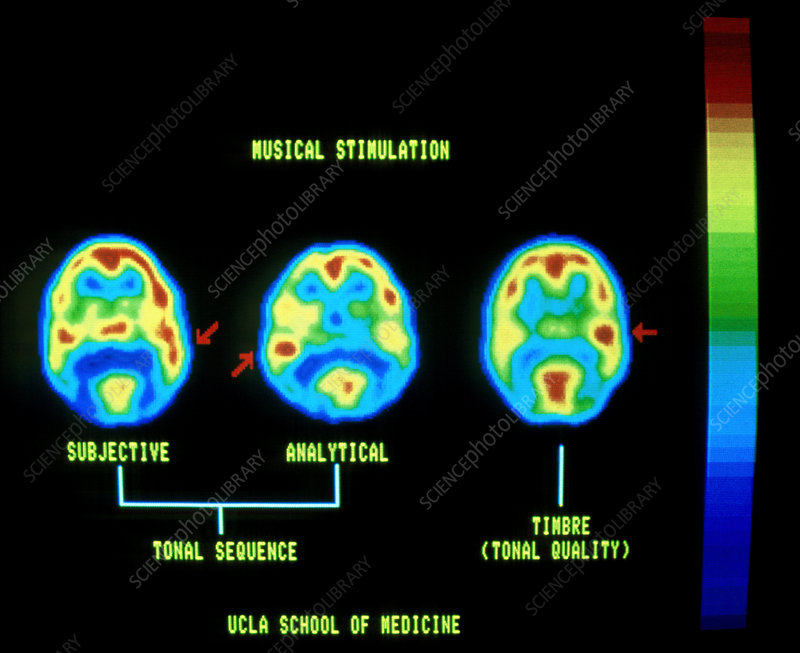
Musical stimulation activates the whole brain — UCLA School of Medicine
WHAT HAPPENED TO JUSTIN
He gave himself six months. No Apple prep. Just piano.
He learned chords. He learned rhythm. He learned to hear something in his head and make his hands match it.
The insomnia lifted.
The depression cleared.
And then—he cracked the certification.
Today he's abroad. Building a life. Getting married soon.
He didn't just pass a test. He became someone who could learn again.
THE PART OF YOU THAT'S STILL 98%
You were born knowing how to play. Not the piano—play. Experiment. Try things that don't make sense. Fail without shame.
Then school taught you to raise your hand. Work taught you to stay in your lane. Life taught you that creativity is a luxury you can't afford.
But the 2% you're left with? It's not enough.
Not for the problems you're facing. Not for the life you're building. Not for the person you know you could be.
HOW YOU GET IT BACK
You don't think your way back to 98%. You don't read your way there. You don't plan it.
You do something that requires your whole brain to wake up.
You put your hands on keys. You let the sound surprise you. You make mistakes in front of yourself and keep going.
Piano isn't magic. But it does one thing nothing else does: it makes you rewire in real time.
It makes you someone who can learn hard things again.
RECLAIM IT
The research is clear. We're losing something precious as we age.
But we don't have to.
You don't need to be musical. You don't need to be young. You don't need to be good.
You just need to be willing to try something that uses all of you.
The 98% is still in there.
It's waiting.
Before you go — what landed?
Stay close
Get new posts by email
One note when something new lands — no noise, no spam.
Continue the Journey